Ever heard someone say, “She has a dynamic personality,” or “This is a dynamic environment”, and wondered what exactly dynamic means?
The first time I saw the word in a job description — “We’re looking for a dynamic individual” — I had no idea whether they wanted someone energetic, powerful, or just loud!
If you’ve been confused too, you’re not alone.
Let’s break it down in a simple, clear way.
🧠 What Does “Dynamic” Mean?
The word dynamic means:
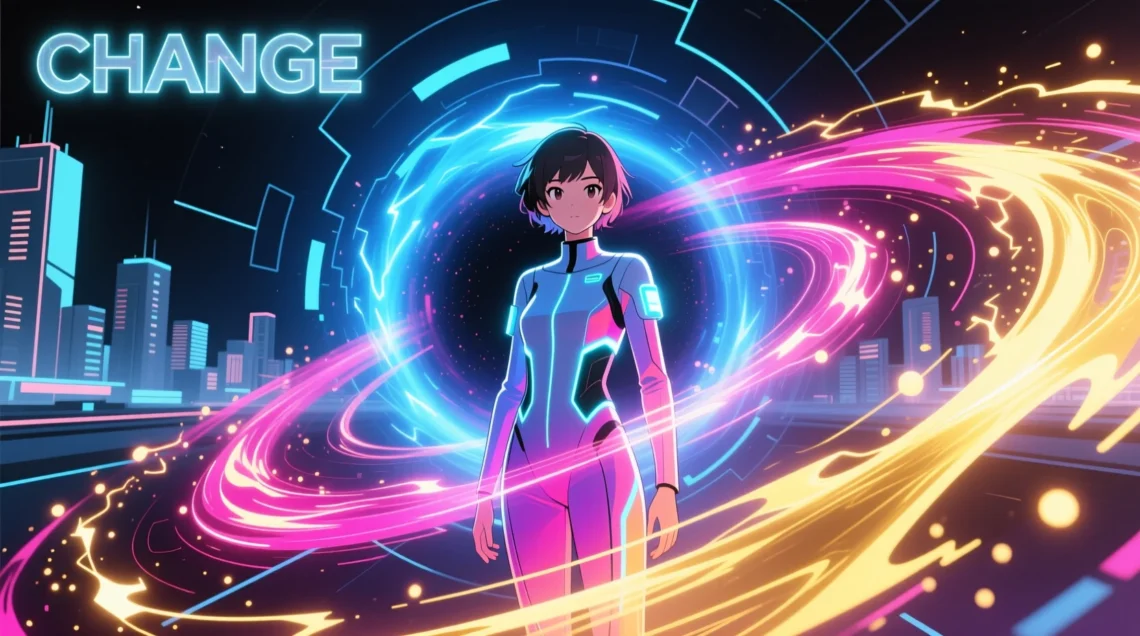
⭐ Constantly changing, moving, or full of energy.
⭐ Characterized by progress, activity, or strong personality influence.
It comes from the Greek word “dynamis,” meaning power.
✔ Simple Sentence Example:
“She’s a dynamic leader who motivates everyone around her.”
⭐ In short:
Dynamic = energetic + active + constantly evolving.
📱 Where Is the Word “Dynamic” Commonly Used?
The term appears in many everyday contexts:
1. Personal Qualities (Most Common)
- Dynamic personality
- Dynamic speaker
- Dynamic leader
2. Work & Business
- Dynamic workplace
- Dynamic industry
- Dynamic growth
3. Technology
- Dynamic websites
- Dynamic systems
- Dynamic programming
4. Science
- Dynamic forces
- Dynamic motion
5. Social Settings
- A dynamic team
- A dynamic conversation
Tone:
Professional, formal, positive, and descriptive.
🗣 Examples of “Dynamic” in Real-Life Sentences
People & Personality
- “He’s a dynamic person who brings energy to every meeting.”
- “Her dynamic style keeps students engaged.”
Work & Business
- “The company operates in a dynamic market.”
- “We need dynamic strategies to keep up with competitors.”
Technology
- “This website has dynamic content that changes for each user.”
- “Dynamic systems adjust automatically to new data.”
Sports
- “He’s a dynamic midfielder with great movement.”
- “Their dynamic partnership changed the game.”
Everyday Life
- “The weather here is dynamic — it changes every hour.”
- “Their friendship is dynamic and always evolving.”
🕓 When to Use and When NOT to Use “Dynamic”
✅ When to Use
Use “dynamic” when describing anything that is:
- Energetic
- Active
- Changing
- Evolving
- Powerful
- Motivating
- Engaging
Examples:
✔ “We need a dynamic plan.”
✔ “She’s a dynamic artist.”
✔ “The economy is dynamic.”
❌ When NOT to Use
Avoid “dynamic” when describing things that are:
- Still
- Calm
- Quiet
- Passive
- Predictable
- Emotionless
Wrong usage examples:
❌ “The desert is dynamic” (unless referring to wind movement)
❌ “He’s dynamic” (for a shy, calm person)
❌ “A dynamic nap” (doesn’t make sense)
📊 Comparison Table: How “Dynamic” Fits Different Contexts
| Context | Example Phrase | Why It Works |
|---|---|---|
| Personality | “She’s very dynamic.” | Shows energetic, motivating traits |
| Business | “Dynamic growth this quarter.” | Indicates rapid, ongoing progress |
| Tech | “Dynamic website elements.” | Content updates based on input |
| Education | “Dynamic teaching style.” | Engaging and interactive |
| Science | “Dynamic forces in motion.” | Refers to movement and change |
| Formal writing | “A dynamic environment.” | Professional & descriptive |
🔄 Similar Words or Alternatives
| Word | Meaning | When to Use |
|---|---|---|
| Energetic | Full of energy | When describing people |
| Active | Engaged, moving | Physical movement or involvement |
| Vibrant | Bright and lively | Colors, cities, personalities |
| Evolving | Slowly changing | Ideas, systems, processes |
| Powerful | Strong influence | Leadership, impact |
| Versatile | Adaptable to many uses | Tools, skills, employees |
🧩 Detailed Usage Breakdown: What “Dynamic” Implies
⭐ 1. Movement
Something is not static; it keeps changing.
⭐ 2. Energy
A sense of enthusiasm or strong presence.
⭐ 3. Progress
Growth, development, or improvement.
⭐ 4. Adaptability
Ability to respond to change.
⭐ 5. Influence
A person with dynamic qualities affects others.
🙋 FAQs
1. Does dynamic mean energetic?
Yes — energetic is a major part of the meaning.
2. Does dynamic mean powerful?
In some contexts, yes. For example, “dynamic influence.”
3. Is dynamic positive or negative?
Mostly positive. It implies strength and progress.
4. Can a person be dynamic?
Absolutely — it means they are motivating, lively, and influential.
5. Can a place or situation be dynamic?
Yes — such as a dynamic city or dynamic industry.
6. Is dynamic a formal word?
Yes, suitable for workplaces and academic writing.
7. What is the opposite of dynamic?
Static, dull, passive, or unchanging.
📝 Mini Quiz — Test Your Understanding!
1. What does “dynamic” mean?
a) Quiet
b) Constantly changing and full of energy ✔
c) Boring
2. Which is a correct use of “dynamic”?
a) “This is a dynamic pillow.”
b) “She’s a dynamic leader.” ✔
c) “The stone is dynamic.”
3. What is a synonym for dynamic?
a) Static
b) Energetic ✔
c) Sleepy
4. Which environment is dynamic?
a) A constantly evolving company ✔
b) An empty silent room
5. Is “dynamic” formal?
a) Yes ✔
b) No
📝 Conclusion
The word dynamic describes things that are energetic, changing, evolving, and full of movement or enthusiasm. It’s used widely — from describing people and workplaces to technology and science. Understanding this word helps you sound more professional, expressive, and descriptive in writing and conversation.
Whether you’re talking about a dynamic team, dynamic market conditions, dynamic personality traits, or dynamic systems in technology, the term adds depth and clarity.