
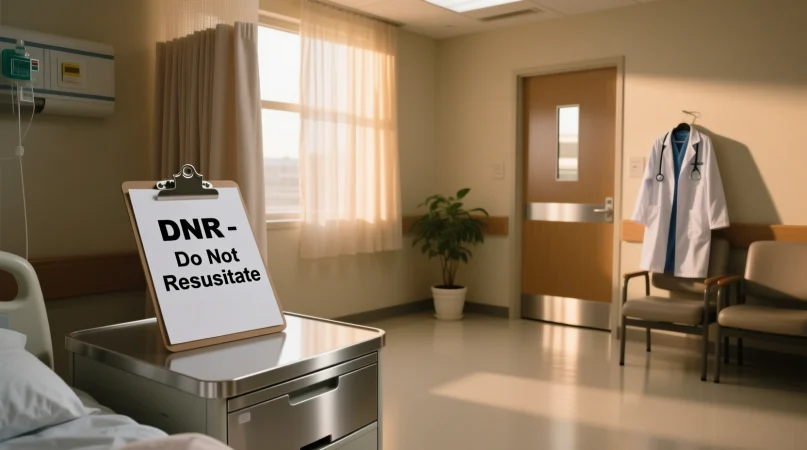
The first time I saw DNR was on a hospital drama show. A doctor whispered, “The patient has a DNR,” and everyone around instantly understood. I remember thinking, “Wait… what does DNR mean and why does it sound so serious?” Later, I learned it’s one of the most important medical and legal terms people encounter—often during difficult or emotional moments.
If you’ve wondered what DNR means, this guide explains everything clearly and respectfully, with examples and simple language anyone can understand.
🧠 What Does DNR Mean?
DNR stands for Do Not Resuscitate.
A DNR order is a medical instruction telling healthcare professionals not to perform CPR (cardiopulmonary resuscitation) if a person’s heart stops or they stop breathing.
✔ Simple Definition
DNR = Do Not Resuscitate = No CPR if the heart or breathing stops
✔ Example Sentence
“Her grandmother had a DNR order, so the hospital respected her wishes.”
Important:
DNR does not mean the person stops receiving medical care. It only applies to CPR and emergency resuscitation.
📍 Where Is the Term “DNR” Commonly Used?
You will commonly see “DNR” in:
🏥 Healthcare Settings
- Hospitals
- Emergency rooms
- Nursing homes
- Hospice centers
- Intensive care units
📄 Legal & Medical Documents
- Advance directives
- Medical power of attorney forms
- Living wills
🗣 Conversations
- Family discussions about end-of-life care
- Medical consultations
- Ethical debates online
Tone
Formal and serious — not slang, not casual.
🩺 What a DNR Actually Means (and What It Doesn’t)
✔ A DNR does mean:
- No CPR
- No electric shocks to restart the heart
- No breathing tubes used for resuscitation
- Medical staff will allow natural death if the heart stops
❌ A DNR does NOT mean:
- No treatment
- No medication
- No pain relief
- No oxygen
- No comfort care
- The patient is being “ignored”
Many people misunderstand this, so it’s important to be clear.
A patient with a DNR still receives full medical care, just not CPR.
💬 Examples of DNR Used in Conversation
1
A: why didn’t they do CPR on him?
B: he had a DNR order signed last year
2
A: what’s DNR mean?
B: do not resuscitate — no CPR if heart stops
3
A: is your mom still getting treatment?
B: yes, she just has a DNR for emergencies
4
A: can a doctor make a DNR for someone?
B: only with legal permissions
5
A: what happens in the ER if a DNR is on file?
B: they follow the patient’s instructions
6
A: does DNR mean no help at all?
B: no, it only applies to CPR
🕓 When to Use and When NOT to Use “DNR”
✅ When to Use
- In serious medical or legal contexts
- When discussing patient wishes
- During conversations about end-of-life planning
- When filling out hospital paperwork
- In discussions with doctors or family members
❌ When NOT to Use
- As slang
- Jokingly or casually
- In non-medical situations
- Without understanding the seriousness
- On someone’s behalf without legal authority
📊 Comparison Table — DNR vs Other Medical Terms
| Term | Meaning | When Used |
|---|---|---|
| DNR | Do Not Resuscitate | Heart stops → no CPR |
| DNI | Do Not Intubate | No breathing tube inserted |
| Full Code | Use all life-saving procedures | When the patient wants CPR |
| Comfort Care | Focus on comfort, not cure | End-of-life care |
| Advance Directive | Legal document stating medical wishes | Planning ahead |
🔄 Similar or Related Medical Terms
| Term | Meaning | When to Use |
|---|---|---|
| POLST | Physician Orders for Life-Sustaining Treatment | For detailed medical preferences |
| Living Will | Document outlining care wishes | Long-term planning |
| Medical POA | Person appointed to make decisions | When patient can’t speak |
| Hospice | Comfort-focused care | Usually near end of life |
| Palliative Care | Pain & comfort support | At any stage of illness |
🧩 Why Do People Choose a DNR?
People may choose a DNR for reasons such as:
✔ Health Conditions
- Terminal illness
- Advanced age
- Low chance of recovery
- Chronic heart or lung problems
✔ Personal reasons
- Desire for natural passing
- Fear of being kept on machines
- Religious or cultural beliefs
✔ Quality-of-life considerations
- Wanting dignity
- Avoiding invasive procedures
- Avoiding suffering
These decisions are deeply personal and require careful thought.
🙋 FAQs
1. Does a DNR mean no medical care?
No — care continues (medicine, comfort, treatment). Only CPR is withheld.
2. Is a DNR permanent?
No. It can be changed or removed anytime by the patient.
3. Who can authorize a DNR?
- The patient
- A legal guardian
- A medical power of attorney
- Doctors (in limited circumstances)
4. Is a DNR the same as giving up?
No. It’s a personal choice about how a person wants medical emergencies handled.
5. Can a DNR be ignored?
Healthcare providers are legally required to follow it if properly documented.
6. Is a DNR common?
Yes, especially for elderly patients or those with serious chronic illness.
7. Can a DNR be verbal?
Some regions allow verbal DNRs, but written is always safest.
📝 Mini Quiz — Test Your Understanding
1. What does DNR stand for?
a) Do Not Repeat
b) Do Not Resuscitate ✔
c) Don’t Need Recovery
2. Does DNR mean no medical care?
a) Yes
b) No ✔
3. Which action is restricted under DNR?
a) CPR ✔
b) Pain medicine
c) Giving oxygen
4. Who can decide a DNR?
a) Anyone
b) Patient or legal authority ✔
5. Is a DNR used in normal conversations?
a) Yes
b) Only in medical/legal contexts ✔
📝 Conclusion
The term DNR is a serious and important medical instruction meaning Do Not Resuscitate. It’s not about stopping all care—just about respecting a patient’s choice regarding CPR. Understanding what DNR means helps families, caregivers, and patients make informed, compassionate decisions about medical treatment and emergency care.
Knowing this term empowers people to express their wishes clearly and ensure those wishes are respected in critical moments.