Hey there, chat-lover 👋! Have you ever seen someone reply “tuh” in a message or comment and wondered what exactly they meant? Whether you’re texting friends, dropping comments on Instagram, or gaming with others, slang like “tuh” can pop up unexpectedly.
This guide is for social-media users, gamers, teens, and anyone curious about modern slang. We’ll break down what “tuh” means in text, where it came from, how it’s used—including the vibes it brings—and how you should respond. Understanding it helps you stay fluent in digital chats and avoid misunderstanding someone’s tone. Let’s dive in and decode “tuh”.
Definition & Meaning
The slang “tuh” is a short, informal interjection used in text or social media to express disbelief, dismissal, annoyance, or sometimes agreement, depending on tone.
“tuh” is a casual slang word used when you want to say “yeah right,” “as if,” or “whatever” in reaction to something someone said.
Examples:
Friend 1: “I ran a marathon in 2 hours.”
Friend 2: “Tuh, sure you did.”
(Here “tuh” = “I’m skeptical / I don’t believe you.”)
Example 2:
User 1: “I’m the best at this game.”
User 2: “Tuh, I’ve seen you lose plenty.”
(Again, disbelief/teasing tone.)
Key point: The meaning depends heavily on tone and context—it can be playful, sarcastic, or even dismissive. For someone not used to the slang, it can come off as blunt or rude.
Background & History
The use of “tuh” arises from informal online conversation and spoken dialect influences. Some sources trace its roots to expressions in African American Vernacular English (AAVE) and youth culture where expressive interjections (like “pfft”, “duh”) are common.
As texting, social apps and meme culture grew, shortened sounds like “tuh” became popular because they captured tone + attitude in very few letters. It spread via platforms like TikTok, Instagram, comments and chat threads.
Today, “tuh” appears mostly in casual messaging, online memes, Instagram comments and group chats—it’s part of the modern internet vocabulary of quick emotional reactions.
Usage in Various Contexts
Texting & Casual Messaging
Example:
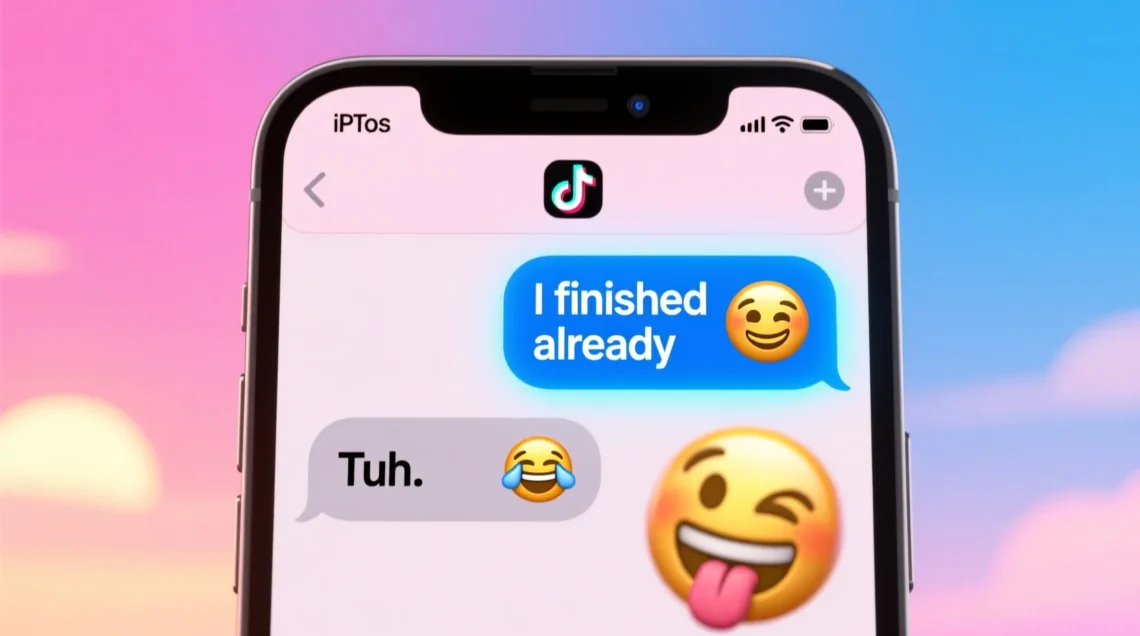
Alice: “I finished all 50 tasks already.”
Bob: “Tuh.”
Here Bob expresses disbelief.
Social Media Comments
Post: “I’m never tired.”
Comment: “Tuh, tell that to your alarm clock.”
Used to quietly mock or tease.
Gaming or Online Chat
Gamer1: “I win every match without trying.”
Gamer2: “Tuh.”
Teasing, expressing doubt.
Group Chat with Friends
Friend1: “I’ll be there at 5 sharp.”
Friend2: “Tuh.”
Suggests they doubt the punctuality.
Professional / Formal Setting
NOT recommended, because using “tuh” here may seem unprofessional or dismissive.
Common Misconceptions & Clarifications
- Misconception: “tuh” always means agreement.
Clarification: Actually, it more often means disbelief or dismissal. - Misconception: “tuh” is polite.
Clarification: It’s informal and carries tone—might be read as rude or sarcastic in certain settings. - Misconception: “tuh” is an acronym.
Clarification: No—it’s just a short interjection/spoken-like word in texting. - Tip: Always check tone + context. If someone uses “tuh” after a claim or brag, they likely doubt it.
Similar Terms & Alternatives
| Term | Meaning | Tone |
|---|---|---|
| “duh” | “Obviously” or mocking obviousness | Sarcastic |
| “pfft” | Dismissal, disbelief | Playful |
| “meh” | Indifference | Casual |
| “nah” | Simply “no” | Neutral |
So if you’re not sure “tuh” will land, you might use “nah” or “pfft” depending on your tone.
How to Respond to “tuh”
Casual Response
Friend: “I’ll beat you in the match tomorrow.”
You: “Tuh, wishful thinking 😂.”
Friendly Tease
Friend: “I never forget birthdays.”
You: “Tuh — you missed mine last year!”
Professional / Neutral Alternative
If someone scratches their head after you use “tuh”:
“Just kidding — no worries.”
Better yet, avoid “tuh” altogether in formal chats.
Privacy-Conscious / Careful
If someone uses “tuh” at you and you aren’t sure:
“I sensed some doubt — did I say something wrong?”
This opens a clarifying conversation.
Regional or Cultural Differences
“Tuh” is most common in English-speaking online communities, especially youth in the U.S. and U.K.
In other regions, people might misinterpret it or simply not use it. Cultural tone matters: what’s teasing among friends may be rude in another context. Use caution when using it across cultural or age boundaries.
Comparison with Similar Terms
| Slang | Meaning | Common Use | Tone |
|---|---|---|---|
| tuh | Doubt/disbelief | Social media, texts | Informal |
| duh | Obviousness/mocking | Spoken, texting | Sarcastic |
| pfft | Dismissal | Comics, chats | Playful |
| meh | Indifference | Casual messaging | Neutral |
Usage in Online Communities & Dating Apps
On apps like Tinder or Bumble, someone might reply:
“You’re the best at this, right?”
“Tuh.”
Here it signals playful doubt or light teasing.
In gaming chats or forums, “tuh” can be used to call out overconfidence or exaggerated claims.
Tip: If you’re getting to know someone or want to keep tone friendly, you might skip “tuh” until you’re sure of how they’ll take it.
Hidden or Offensive Meanings
“Tuh” itself isn’t inherently offensive—but its effect depends on tone and relationship.
Used wrongly or in serious contexts, it might feel like you’re mocking someone or being dismissive.
So, while safe among close friends who know your tone, it may misfire with unfamiliar people.
Suitability for Professional Communication
In jobs, studies or formal chats, avoid “tuh.” It can show up as too casual or dismissive.
Instead say:
- “I’m not sure that’s accurate.”
- “I have some doubts about that.”
- “Could you clarify that point?”
These maintain professionalism without the slang vibe.
FAQs
1. What does “tuh” mean in text?
It’s a quick slang word used to express disbelief, dismissal or light teasing.
2. Is “tuh” rude?
Not always—but it can come across as rude if used with someone who doesn’t know your tone.
3. Can “tuh” mean “yes” or agreement?
Rarely. It’s more about doubt / disbelief than agreement.
4. Should I use “tuh” in work messages?
No — it’s informal and not suited for professional communication.
5. Where do people use “tuh” most?
Social media comments, group chats, gaming chats—mostly among younger users familiar with internet slang.
Conclusion
Now you know: “tuh” carries a vibe of “yeah, right”, “as if”, or “I doubt it” in a quick casual response. Use it among friends when teasing or reacting lightly—but be cautious in formal settings or with people who may misinterpret. Next time someone drops “tuh” in your chat, you’ll understand exactly what they’re doing—and you’ll know how to reply. 😉